Supply Chain Disruptions from the Iran War: How to Stock a 2-Week Buffer Without Panicking

HRDCOPY Team
HRDCOPY TeamFebruary 28, 20267 min read
Part of the Iran Conflict Preparedness Series · See all articles →

Before you read another word: this article is about rotating stock, not hoarding. If everyone buys two weeks of extra groceries gradually over the next week, shelves stay full. If everyone panic-buys three months of toilet paper tonight, shelves empty by morning. Be the first person, not the second.

That distinction matters more than anything else in this article. What we're describing below is a rolling buffer -- a small cushion of supplies that you buy a little at a time, use continuously, and replace as you go. It's not a bunker. It's not a stockpile. It's the household equivalent of keeping your gas tank above half instead of running it to empty.

You're standing in the canned goods aisle on a normal Wednesday evening. You usually grab two cans of black beans. This week, you grab four. Next week, four again. Within three trips, you have a two-week cushion of black beans and you haven't inconvenienced a single other shopper. That's the entire strategy. Scale it across your pantry staples and you're done.


Why Supply Chains Are Under Pressure

The Strait of Hormuz is one of the most important shipping corridors on Earth. Roughly 20% of the world's oil passes through it every day. When conflict escalates in the region, shipping companies reroute vessels, add war-risk insurance surcharges, and slow down. That doesn't mean ships stop moving. It means everything takes longer and costs more.

Here's the chain: shipping delays push up oil prices. Higher oil prices push up refinery costs. Higher refinery costs push up diesel prices. Higher diesel prices push up trucking costs. Higher trucking costs push up the price of everything that moves by truck -- which is nearly every product on a grocery store shelf.

This doesn't happen overnight. The lag is typically 3-6 weeks from a disruption event to noticeable price increases and occasional shortages at the retail level. We covered the gas price side of this in our breakdown of how the conflict affects fuel costs. But fuel is just the first domino. Groceries, medications, cleaning supplies, and building materials all follow the same supply chain.

The point isn't that shelves will be empty. They probably won't be. The point is that prices will climb and some specific items may be intermittently unavailable for days at a time. A 2-week buffer smooths that out completely.


The 2-Week Buffer: What and How Much

This is not a shopping list for the apocalypse. This is a list of things your household already uses, bought slightly ahead of schedule.

Water

One gallon per person per day for 14 days. For a family of four, that's 56 gallons. That sounds like a lot, but it's 14 cases of gallon jugs. Buy two cases per grocery trip over the next few weeks. Store them in the garage, a closet, or under a bed.

If you have space constraints, start with 3 days' worth (the FEMA minimum) and build from there.

Food Your Family Actually Eats

This is the part where most preparedness advice goes off the rails. You don't need MREs. You don't need freeze-dried emergency meals. You don't need a 25-year shelf-life food bucket from a website with camouflage branding.

You need extra of what you already buy:

  • Canned vegetables, beans, soups, and stews
  • Pasta, rice, oats
  • Peanut butter, crackers, granola bars
  • Canned or dried fruit
  • Cooking oil, salt, sugar
  • Coffee or tea (morale matters)

Buy one or two extra of each item every time you shop. Within two to three trips, you'll have a comfortable 2-week cushion without clearing a single shelf.

Medications

If anyone in your household takes prescription medication, talk to your doctor or pharmacy about getting a 30-day supply ahead. Many insurance plans allow a 90-day fill through mail-order pharmacies. This is the single most important buffer item on the list -- food shortages are inconvenient, but medication shortages can be dangerous.

Also stock:

  • Over-the-counter pain relievers (ibuprofen, acetaminophen)
  • Antihistamines
  • Anti-diarrheal medication
  • Electrolyte packets
  • Any specific items for chronic conditions in your household

If Applicable

  • Infant formula (buy one extra can per trip -- don't clear shelves)
  • Diapers (one extra box)
  • Pet food (one extra bag)
  • Contact lens solution, hearing aid batteries, or any specialized items your family depends on

FIFO: First In, First Out

The difference between a buffer and a hoard is whether you're using what you buy. FIFO -- First In, First Out -- is how grocery stores and restaurants manage stock, and it's how your buffer should work too.

When you bring new groceries home, put them behind the older items. Use the oldest items first. Replace what you consume on your next trip. The buffer stays roughly the same size while the contents rotate continuously.

Nothing expires. Nothing sits in a closet getting dusty. Nothing goes to waste. You're just slightly ahead of your consumption curve instead of right on it.

Think of it like your gas tank. You don't wait until the light comes on to fill up. You fill up at a quarter tank. This is the same principle applied to your pantry.

A practical setup: dedicate one shelf in your pantry or a plastic bin in a closet as your buffer zone. New items go to the back. You pull from the front. Once a month, glance at what's there and replace anything you've used. The whole system runs on autopilot once it's set up.


What NOT to Do

This section matters as much as the rest of the article combined.

Don't clear shelves. If you walk into a store and buy every can of beans on the shelf, you've just created a shortage for your neighbors. Buy two or three extra. Come back next week and buy two or three more. The supply chain can handle gradual, distributed demand. It cannot handle spikes.

Don't buy things you won't eat. If your family doesn't eat canned sardines, don't buy canned sardines because a list on the internet told you to. A buffer that your family won't actually consume is just waste with an expiration date.

Don't panic. The supply chain system is stressed, not broken. The United States has enormous agricultural capacity, significant strategic reserves, and well-developed domestic distribution networks. Shortages, when they occur, tend to be specific items in specific regions for short periods. The system bends. It rarely breaks. Your buffer is insurance against inconvenience, not against collapse.

Don't spend money you don't have. Building a buffer is not worth going into debt. If your budget is tight, start with water and medications -- the two items hardest to substitute. Add food gradually as your budget allows. Even a 3-day buffer is dramatically better than nothing.

Don't forget what you have. Write a simple list of what's in your buffer and tape it to the inside of the pantry door. Update it when you add or use items. A buffer you've forgotten about is a buffer that expires unused.


This Is About Resilience, Not Fear

There's a meaningful difference between being afraid and being prepared. Fear drives people to clear shelves at midnight. Preparedness drives people to buy an extra jar of peanut butter on Tuesday.

The Iran conflict overview covers the broader picture. The gas price analysis explains the fuel side. This article covers the pantry side. Together, they give you a clear picture of what's likely to affect your household and what to do about it -- calmly, gradually, and without making things worse for everyone else.


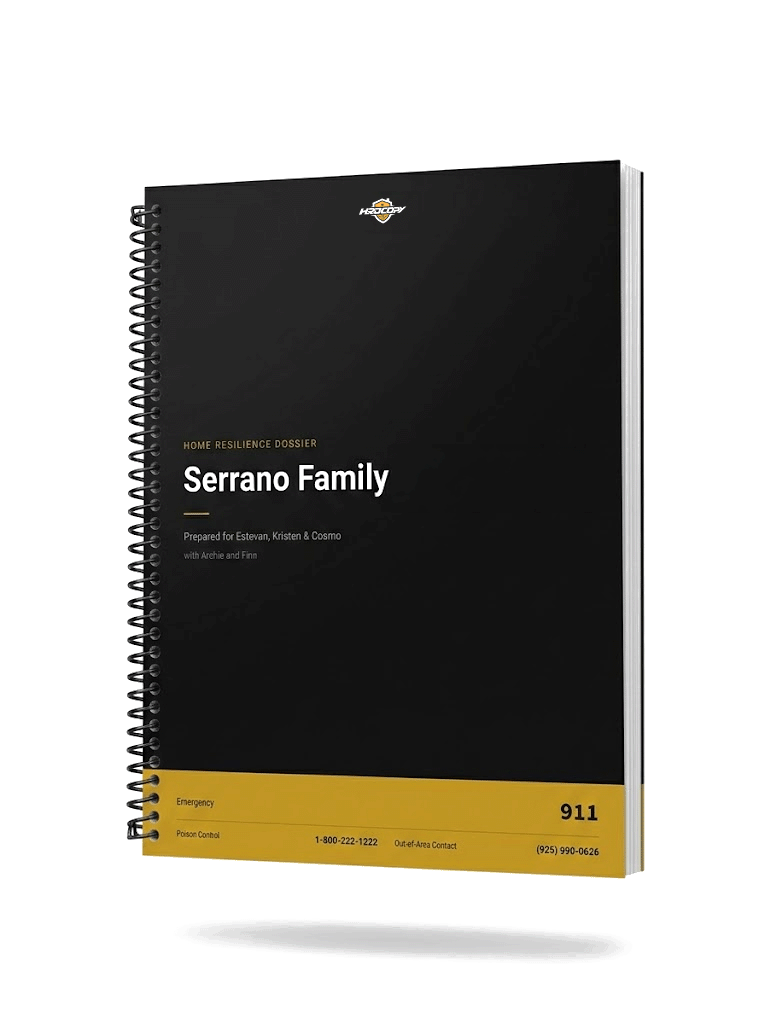
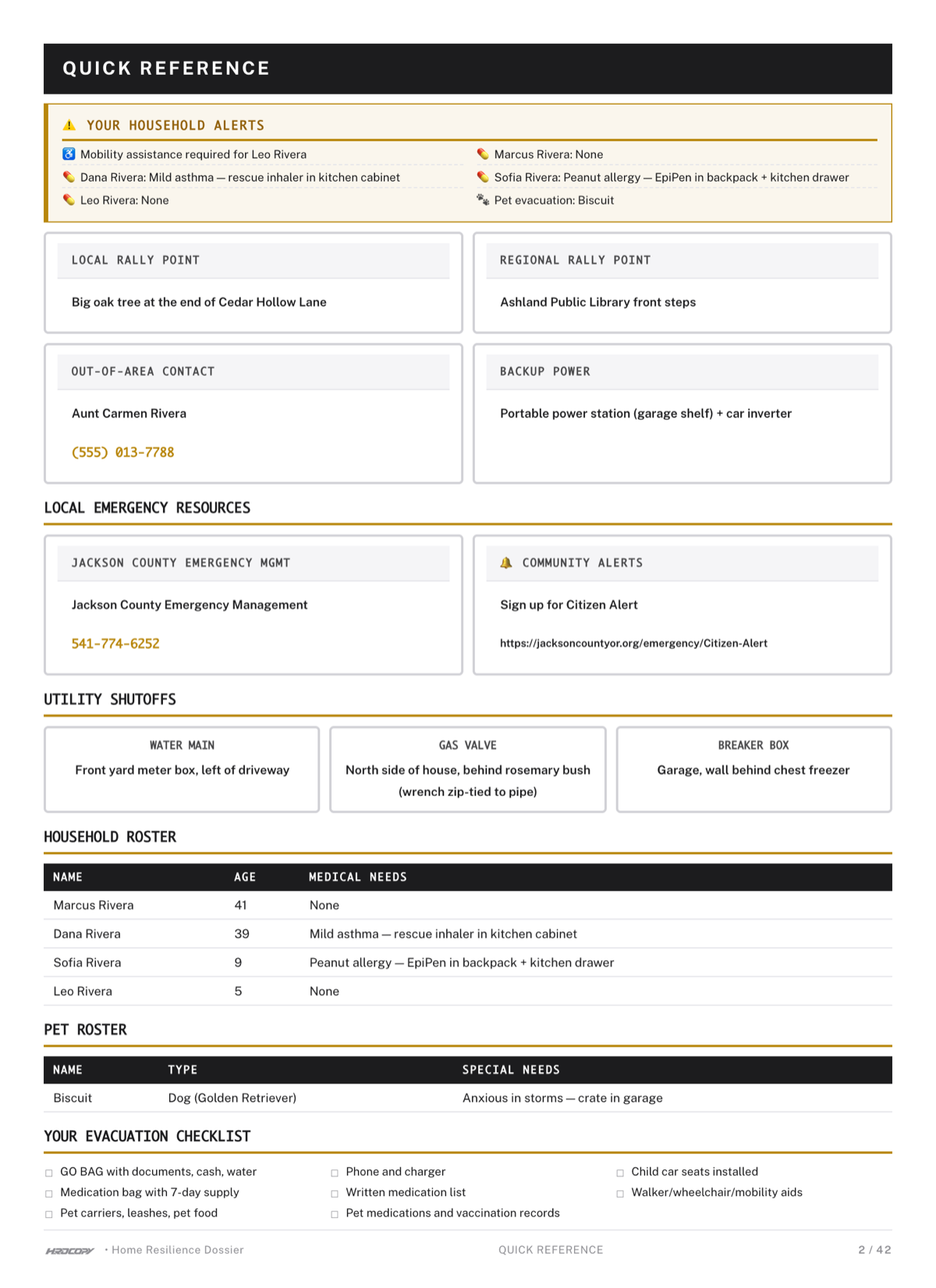
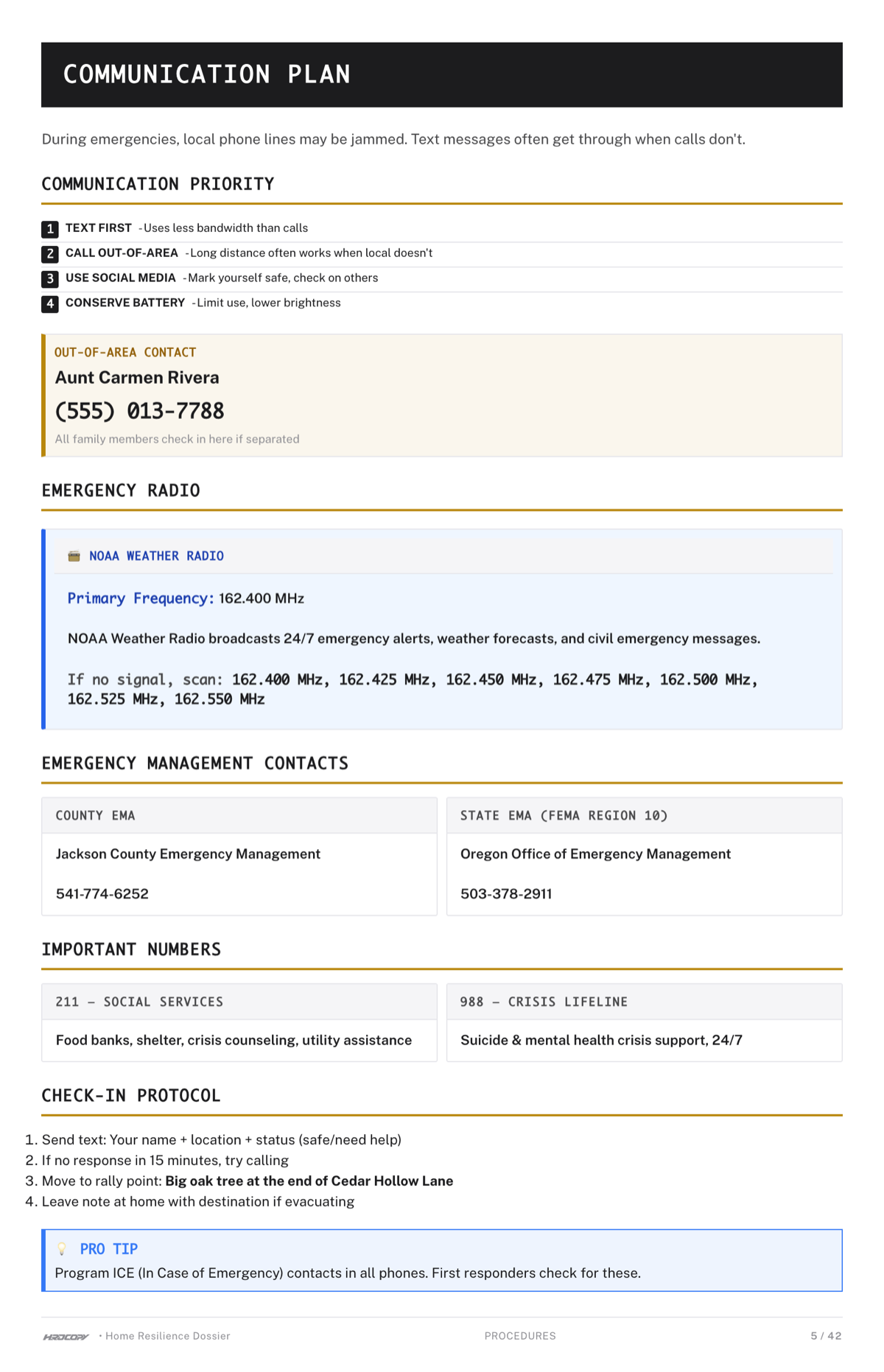
If you want to take this further and organize your household's full emergency information -- contacts, insurance, medical records, communication plans -- you can start with a notebook and a free afternoon. If you want a pre-built structure that handles the formatting for you, that's what HRDCOPY does.

Skip the DIY. Build yours in 30 minutes.

HRDCOPY turns a guided interview into a print-ready emergency manual — customized to your household, your location, and your risks.

No formatting. No research. No half-finished binder in a drawer.

Create Your Emergency Manual

We use cookies to understand how you use our site and improve your experience. Privacy Policy