As of mid-March 2026, the Strait of Hormuz has been effectively blockaded for nearly three weeks. Commercial shipping traffic has plunged more than 95%, with daily non-Iranian transits dropping to single digits. Iran is selectively enforcing the closure, allowing some ships flagged by Turkey, India, China, and Pakistan to pass while blocking Western-allied vessels. Protection and indemnity insurance for vessels transiting the strait was cancelled starting March 5. Hundreds of commercial ships are anchored outside the strait, waiting.
Most of the coverage has focused on oil prices. But there is another supply chain running through that strait that affects American families more directly than the price of gas: the pipeline that produces your medication.
How Your Prescriptions Connect to a Strait in the Middle East
Here is the supply chain, step by step:
Step 1: Chemical inputs from China. The raw chemical ingredients (called Active Pharmaceutical Ingredients, or APIs) for most generic drugs are manufactured in China.
Step 2: Consolidation in the Gulf. Those chemical inputs are commonly shipped to distributors in Dubai and across the UAE, where they are consolidated and prepared for onward shipment.
Step 3: Manufacturing in India. India is the world's largest manufacturer of generic drugs, producing over 40% of the generic medications consumed in the United States. Indian manufacturers receive the raw materials from Gulf distributors and produce the finished drugs.
Step 4: Shipping to the US. Finished medications are shipped from India to the United States, either by sea (through the same maritime corridors now disrupted) or by air cargo.
The Strait of Hormuz sits between steps 2 and 3. When it closes, the raw materials that Indian manufacturers need to produce your medication cannot reach the factories through normal routes.
Air cargo is an alternative, but it is not a replacement. Air cargo rates from India have already climbed 200 to 350% since the strait closure began. Air freight can handle high-value, low-volume shipments. It cannot replace the volume that maritime shipping handles for bulk pharmaceutical ingredients.
The 4-to-6 Week Timeline
Pharmacies and drug wholesalers in the United States operate on a just-in-time inventory model. They do not stockpile months of supply. They order what they need for the coming weeks based on demand forecasts and receive regular shipments from distributors.
This means the pipeline has a buffer, but it is measured in weeks, not months. Industry analysts and supply chain strategists have estimated that sustained disruption to the Hormuz corridor could begin showing up as consumer-facing shortages within 4 to 6 weeks.
That timeline started around March 2.
What "shortage" looks like: This is not a scenario where every pharmacy runs out of everything overnight. It starts with specific high-volume generics becoming harder to source. Your pharmacy might be out of your specific medication but can order it with a delay. Or they might substitute a different manufacturer's version. Or they might suggest an alternative.
The medications most at risk are high-volume generics with concentrated manufacturing in India:
- Diabetes medications: Metformin and its variants
- Blood pressure medications: Lisinopril, amlodipine, losartan
- Thyroid medication: Levothyroxine
- Cholesterol medications: Atorvastatin (generic Lipitor), rosuvastatin
- Antibiotics: Amoxicillin, azithromycin, ciprofloxacin
- Mental health medications: Sertraline (generic Zoloft), fluoxetine (generic Prozac)
- Pain and inflammation: Ibuprofen, naproxen (in bulk generic form)
These are among the most prescribed drugs in America. Millions of people take them daily.
What to Do This Week
This is not about hoarding. Hoarding creates the shortage you are trying to avoid. This is about securing a normal, insurance-covered, extended supply through legitimate channels.
1. Request a 90-Day Prescription
Call your doctor's office and ask to switch from a 30-day prescription to a 90-day prescription. Most insurance plans cover this, and many actually prefer it because it reduces processing costs. If your insurance does not cover 90-day fills at retail, ask about mail-order pharmacy, which almost always supports 90-day prescriptions.
If your doctor asks why, be straightforward: "I want to have a longer supply on hand given the current shipping disruptions. I am not stockpiling. I just want to move from 30-day to 90-day fills."
2. Set Up Mail-Order Pharmacy
If you are not already using mail-order, now is the time. Major pharmacy benefit managers (CVS Caremark, Express Scripts, OptumRx) offer 90-day fills shipped directly to your home. The advantages: you lock in supply earlier, you often get a cost discount, and you are less exposed to retail pharmacy stock-outs.
3. Ask About Therapeutic Alternatives
For medications where Indian-sourced generics dominate (the list above), ask your doctor: "Is there a therapeutic alternative that might be sourced differently?" Some drug classes have multiple options. Your doctor may be able to prescribe a medication in the same class that has a different manufacturing origin.
This is a conversation, not a demand. Your doctor knows your medical situation. They may have already been thinking about this.
4. Do Not Stockpile Controlled Substances
If you take a controlled substance (certain pain medications, ADHD medications, anxiety medications), the rules are different. These drugs have strict prescribing limits and cannot be filled early. Do not ask your doctor to prescribe extra. Do not try to fill prescriptions at multiple pharmacies. This will flag your account and potentially create legal problems.
For controlled substances, the best approach is to ensure your prescription is current, your pharmacy relationship is solid, and you have documentation of your prescription in case you need to transfer to a different pharmacy.
5. Document Your Medications on Paper
For every person in your household, write down:
- Medication name and dosage
- Prescribing doctor and phone number
- Pharmacy name, phone number, and prescription number
- Insurance information (group number, member ID, phone number)
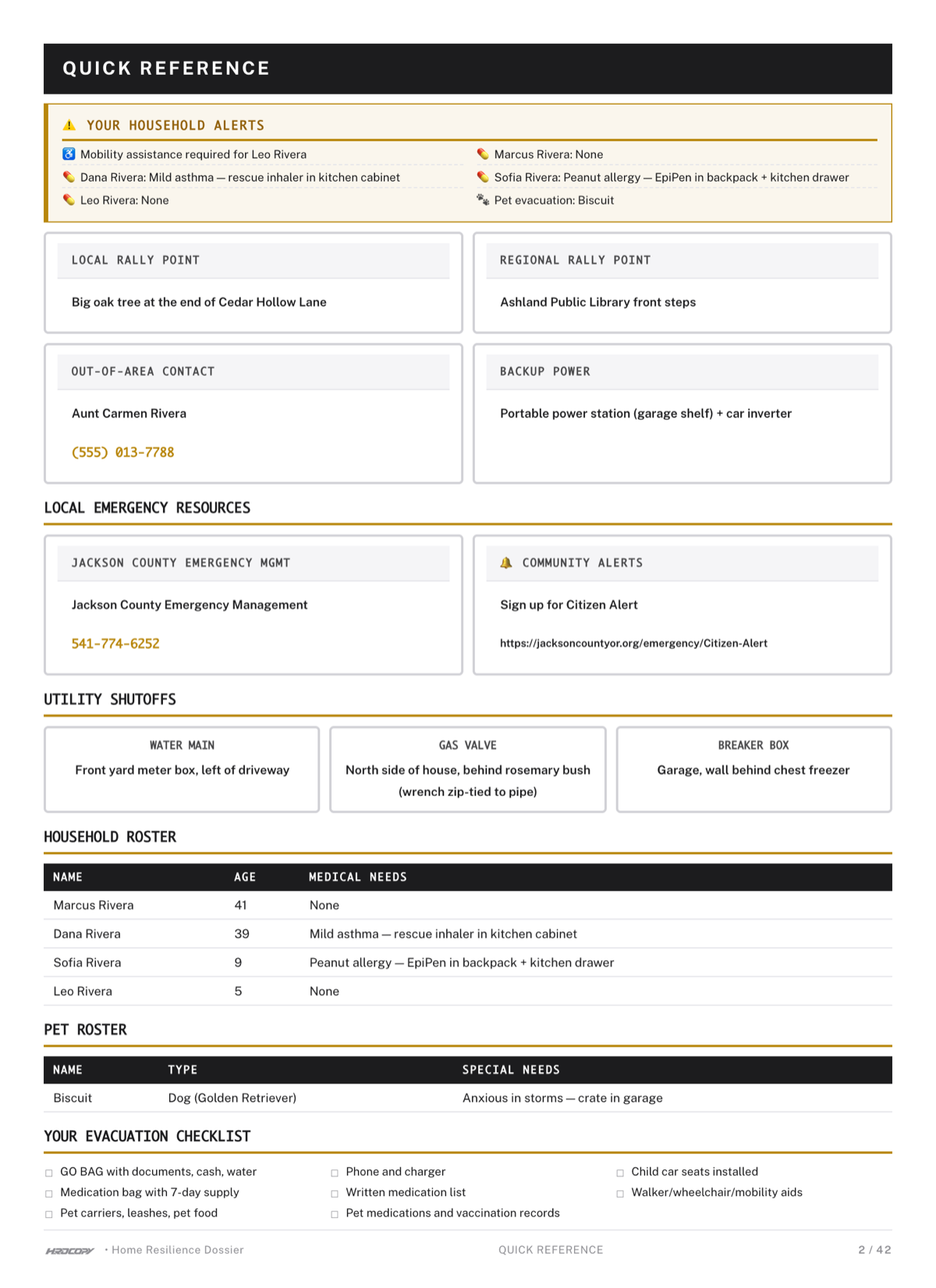
This list should live in your emergency binder. If you need to switch pharmacies, visit an urgent care, or explain your medications to a new doctor during a disruption, this document saves critical time.
What Happens If Shortages Actually Hit
If you are reading this and the 4-to-6 week window has already passed, here is what to know:
Your pharmacy will communicate. Pharmacists are trained for shortage management. They will contact prescribers, suggest alternatives, and help you navigate the situation. Maintain your relationship with your pharmacist. They are your best ally.
Manufacturer substitution is common. You may receive the same drug from a different manufacturer. The pill may look different (different shape, color, markings). It is the same medication. Your pharmacist will explain the change.
State emergency provisions exist. During declared emergencies, many states allow pharmacists to dispense emergency supplies of maintenance medications without a new prescription. The FDA's drug shortage database tracks current shortages in real time. The rules vary by state, but the mechanisms exist.
Do not buy medication from unverified online sources. During shortages, counterfeit drug sellers become more active. Stick with licensed US pharmacies. If a deal looks too good to be true, it is.
We Will Update This Article
This is a developing situation. As the supply chain impact becomes clearer, we will update this article with specific shortage reports and additional guidance.
If you want to be notified when we update, the best way is to follow our blog or check back weekly. We are tracking this closely.
The Bigger Picture
Your medication supply is one piece of your household's resilience. The 90/14/500 framework covers the three most critical buffers: prescriptions, pantry, and cash. If you have not read that piece yet, start there.
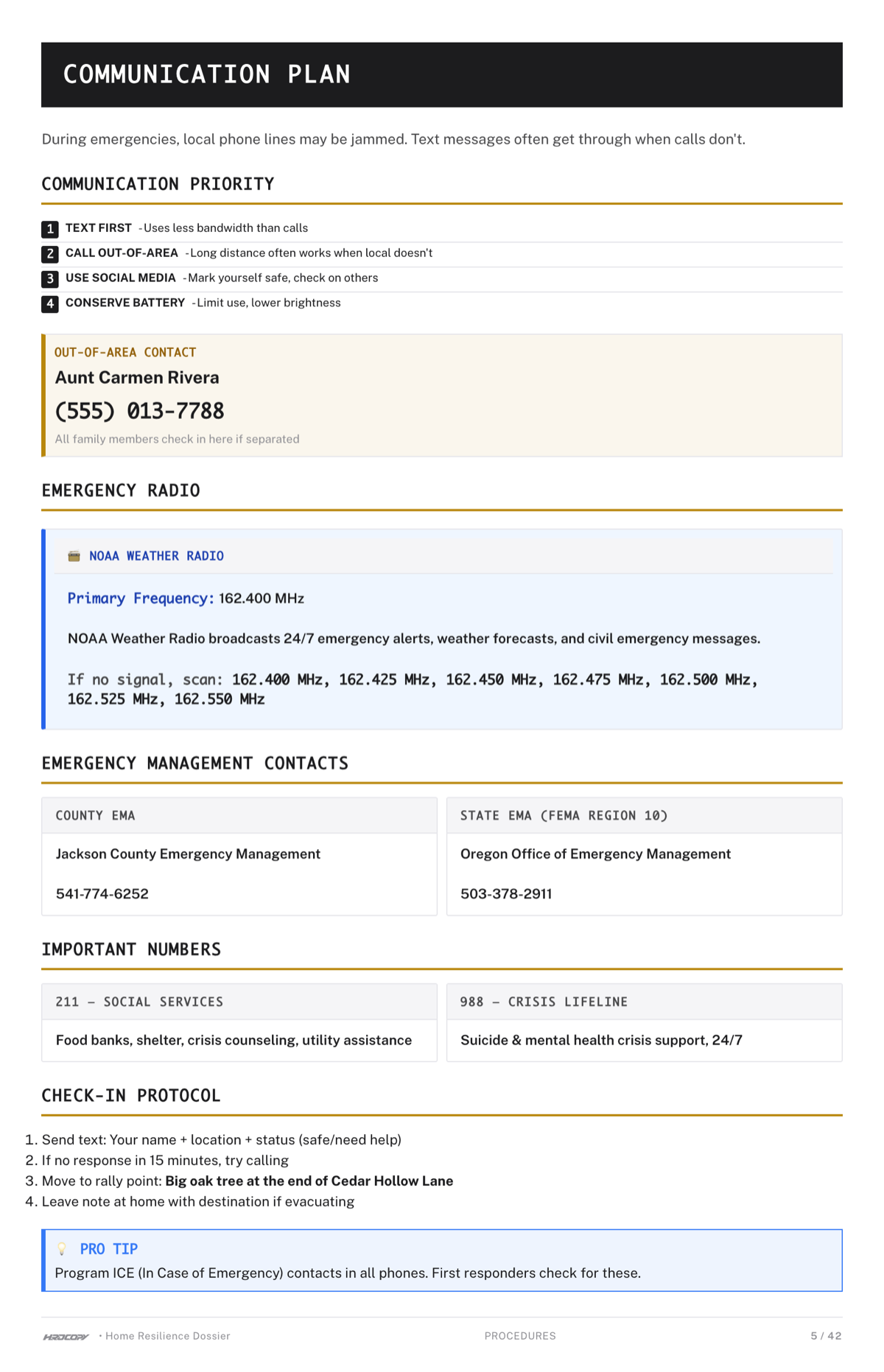
If you want to build a complete household emergency system that includes your medical documentation, your family's communication plan, your financial information, and your evacuation procedures, the free risk assessment at hrdcopy.com is designed for exactly that.
Your prescriptions should not depend on a shipping lane 7,000 miles away. But right now, for millions of Americans, they do. The best time to secure your supply was two weeks ago. The second best time is today.